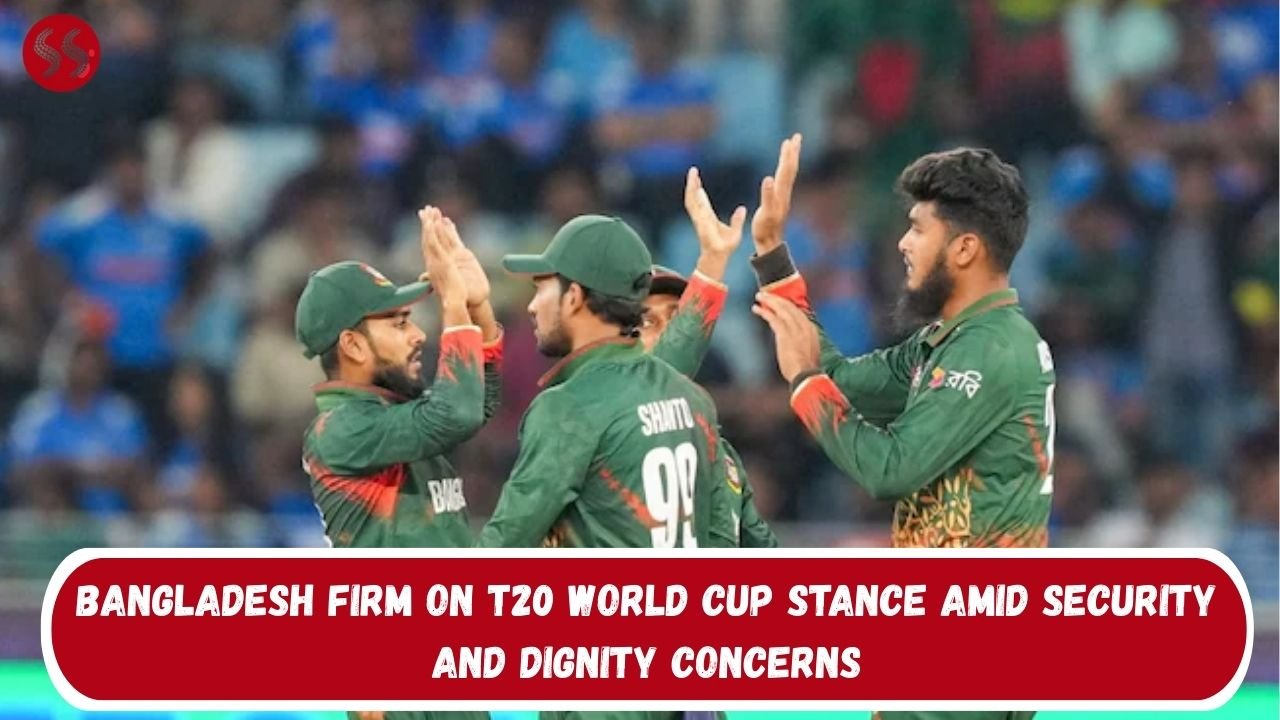

Tensions between Bangladesh and India have escalated sharply ahead of the ICC T20 World Cup, with Bangladesh firm on T20 World Cup stance and refusing to compromise on what it calls national dignity and player safety. The issue intensified after star pacer Mustafizur Rahman was released from the Kolkata Knight Riders squad following a directive linked to the BCCI, a move that has angered the Bangladeshi cricket community. As a result, Bangladesh firm on T20 World Cup stance has become a defining headline in the ongoing controversy.
Government and BCB United Over Security Fears
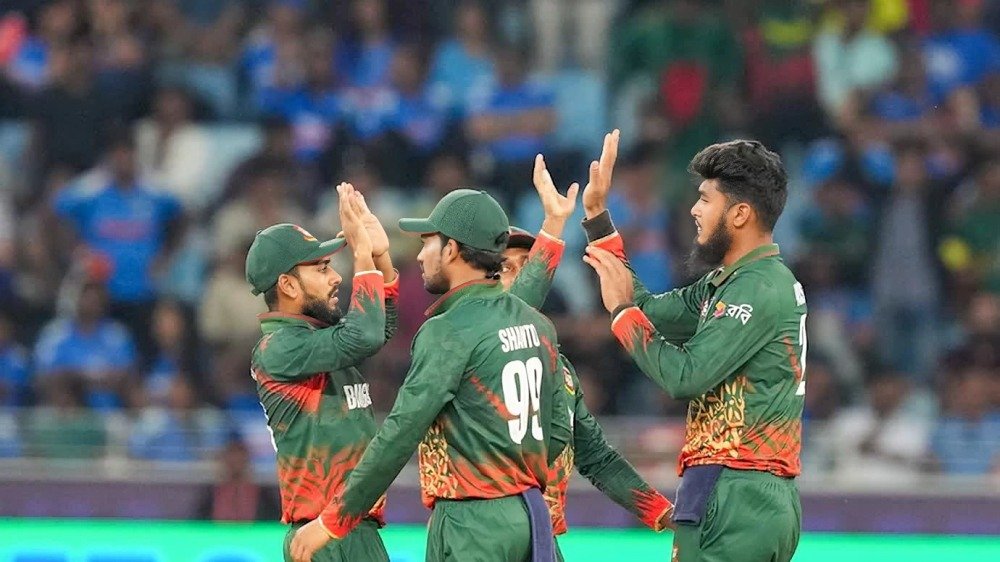
Bangladesh’s sports advisor Azif Nazrul made it clear that the national team will not participate in the T20 World Cup at the cost of humiliation or security risks. Emphasising that Bangladesh is a cricket-loving nation, he stated that pride and safety come first, reinforcing why Bangladesh firm on T20 World Cup stance remains non-negotiable. According to Nazrul, the ICC’s response to the Bangladesh Cricket Board’s (BCB) concerns failed to fully acknowledge the seriousness of the situation.
BCB president Aminul Islam Bulbul echoed similar views, stressing that the safety of players, journalists, fans, and sponsors must be guaranteed before any tour approval is granted. With government clearance mandatory for foreign tours, Bangladesh firm on T20 World Cup stance reflects both administrative and political alignment on the issue. The board is preparing to send another letter to the ICC, reiterating its demands and concerns.
ICC Response and Hybrid Tournament Possibility
The ICC has reportedly maintained that the tournament schedule and venues will remain unchanged, even warning of possible forfeiture if Bangladesh refuses to play. However, the BCB has publicly denied receiving any formal ultimatum. Despite these mixed signals, Bangladesh firm on T20 World Cup stance continues to shape discussions, with officials pointing out that hybrid tournament models have been implemented before due to security concerns.
Aminul Bulbul highlighted that the push for a hybrid arrangement is not unprecedented and is driven purely by safety considerations. From Bangladesh’s perspective, Bangladesh firm on T20 World Cup stance is about safeguarding its people rather than challenging the ICC’s authority.
IPL Broadcast Ban Adds to Diplomatic Strain
Further escalating matters, the Bangladesh government has imposed an indefinite ban on the broadcast and promotion of the Indian Premier League. Officials cited public interest as the reason, linking the decision directly to the Mustafizur Rahman controversy. This move further underlines why Bangladesh firm on T20 World Cup stance is not limited to cricket alone but reflects broader national sentiment.
With Bangladesh scheduled to play all four league matches in India under the current plan, the ICC now faces increasing pressure to find a resolution. As talks continue, Bangladesh firm on T20 World Cup stance remains unchanged, signalling a critical moment for international cricket diplomacy.
SEE MORE: