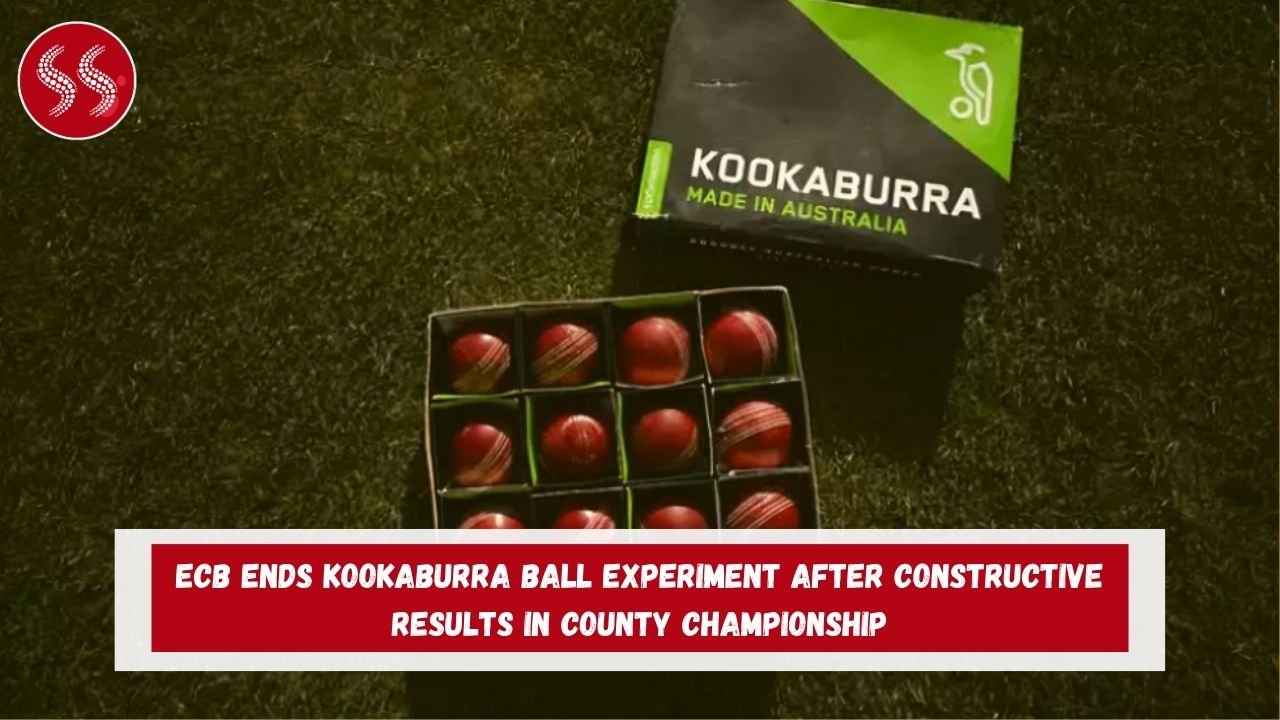

ECB ends Kookaburra ball experiment has decided to stop using the Kookaburra ball in the County Championship from the 2026 season. After three years of testing, the board concluded that the trial did not deliver the expected benefits. Players, coaches, and county directors felt that the ball reduced competition between bat and ball, making matches less exciting. In this detailed review, ECB ends Kookaburra ball experiment to return focus on balance, tradition, and fair gameplay.
ECB ends Kookaburra ball experiment after feedback from counties
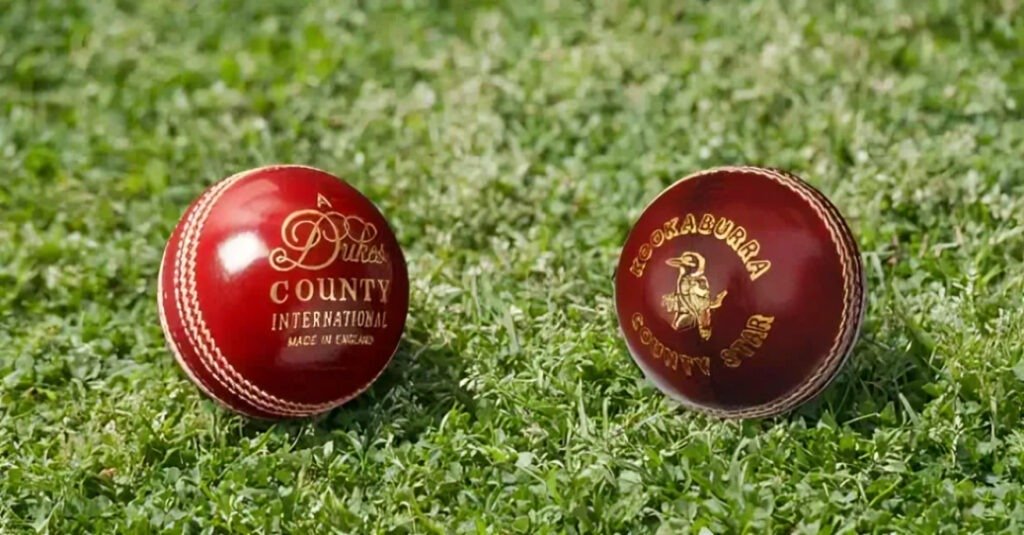
The Kookaburra ball was introduced in 2023 for two rounds of the County Championship to help English players prepare for overseas Test conditions, especially in countries like Australia and South Africa. However, the results were far from ideal. Many games became one-sided, favoring batsmen heavily. The most notable example came when Surrey scored 820 for 9 declared against Durham at The Oval — a clear sign that bowlers were struggling.
After multiple reviews and discussions, ECB ends Kookaburra ball experiment based on strong feedback from all 18 county directors of cricket. During a meeting in October, they agreed that the trial had not improved player development or match competitiveness. Instead, it made pitches look flat and bowlers less effective.
The ECB’s professional game committee reviewed these opinions and confirmed that from 2026, every County Championship match will once again use the traditional Dukes ball. By doing this, ECB ends Kookaburra ball experiment to restore the competitive edge that English domestic cricket is known for.
The Kookaburra ball, known for its smoother seam and shorter-lasting swing, failed to challenge batters the way the Dukes ball does. As a result, many county coaches believed it was not preparing bowlers properly for the demands of the international game. Hence, ECB ends Kookaburra ball experiment to refocus on improving skill development under familiar conditions.
ECB ends Kookaburra ball experiment to protect the essence of English cricket
The trial began with good intentions. The idea was that by facing the Kookaburra ball, county players would adapt better when playing overseas, especially in Test matches abroad. But over time, the results were disappointing. ECB ends Kookaburra ball experiment after realizing that it produced dull matches, fewer wickets, and less excitement for fans.
The trial expanded from two rounds in 2023 to four rounds in both 2024 and 2025. But by the end of 2025, feedback from captains, bowlers, and umpires was overwhelmingly negative. The ECB’s research team found that the Kookaburra ball lost its shine faster and stopped swinging early, resulting in long batting sessions and fewer bowling opportunities. Therefore, ECB ends Kookaburra ball experiment to ensure games remain lively and balanced.
Directors from all counties felt that English cricket’s identity was built on seam, swing, and competitive conditions — elements that the Dukes ball naturally provides. Many argued that continuing with the Kookaburra would have weakened those traditions. Hence, ECB ends Kookaburra ball experiment to preserve the core characteristics of domestic cricket that have shaped generations of English players.
By switching back fully to the Dukes ball from 2026, the ECB aims to bring back more thrilling contests, where both bowlers and batters are equally tested. ECB ends Kookaburra ball experiment not just as a decision about equipment, but as a statement to uphold the quality and heritage of county cricket.
As cricket evolves globally, England’s domestic structure remains deeply rooted in balance and competitiveness. ECB ends Kookaburra ball experiment after careful analysis, ensuring that the County Championship continues to be a true test of skill.
In the end, ECB ends Kookaburra ball experiment because the traditional Dukes ball still offers what English cricket values most — a fair battle between bat and ball, where talent, not technology, decides the winner. This decision marks a return to the essence of the English game, showing that sometimes tradition can be the best path forward.
SEE MORE: