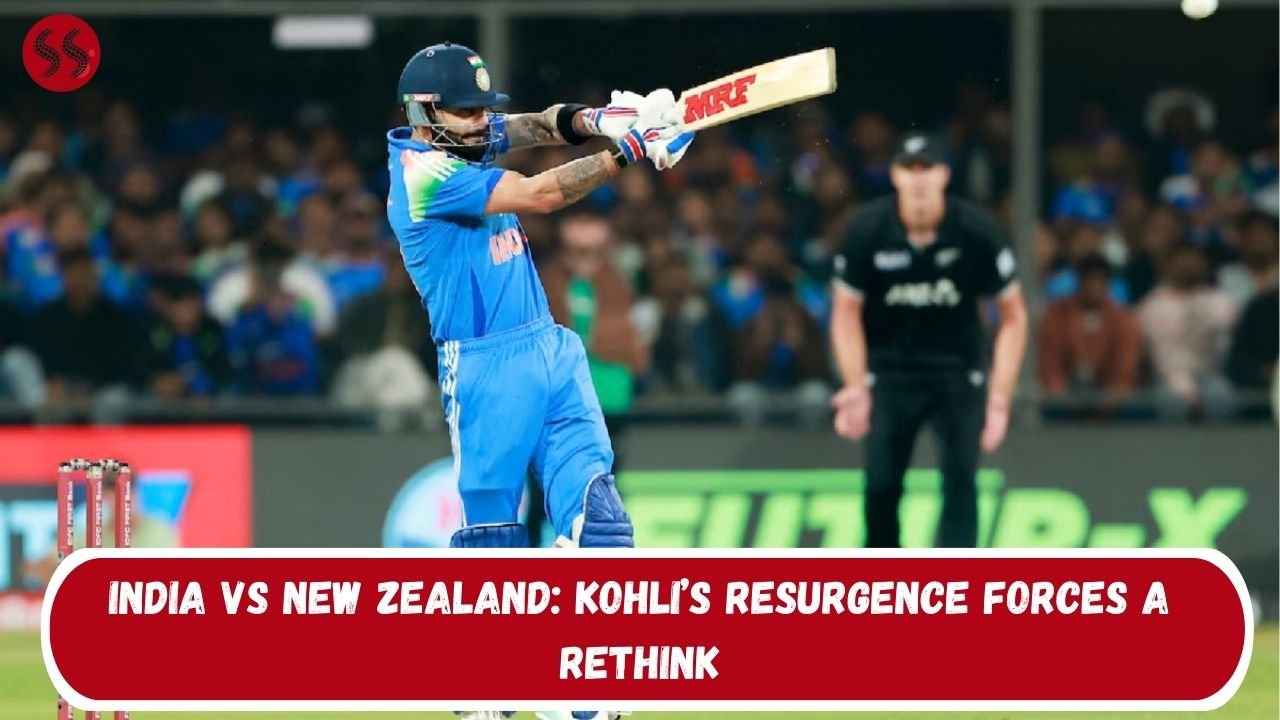

India vs New Zealand once again underlined how quickly narratives shift in elite sport. In the third ODI at Indore, Virat Kohli’s sublime 124 was a reminder that individual brilliance can still shine even when collective failure prevails. Chasing 337 in an IND vs NZ decider, Kohli batted on a flat track with the assurance of his peak years, only to watch wickets tumble at the other end. The defeat cost India the series, but it also reopened a larger debate about experience, succession, and the road to 2027.
Kohli’s Timely Reminder
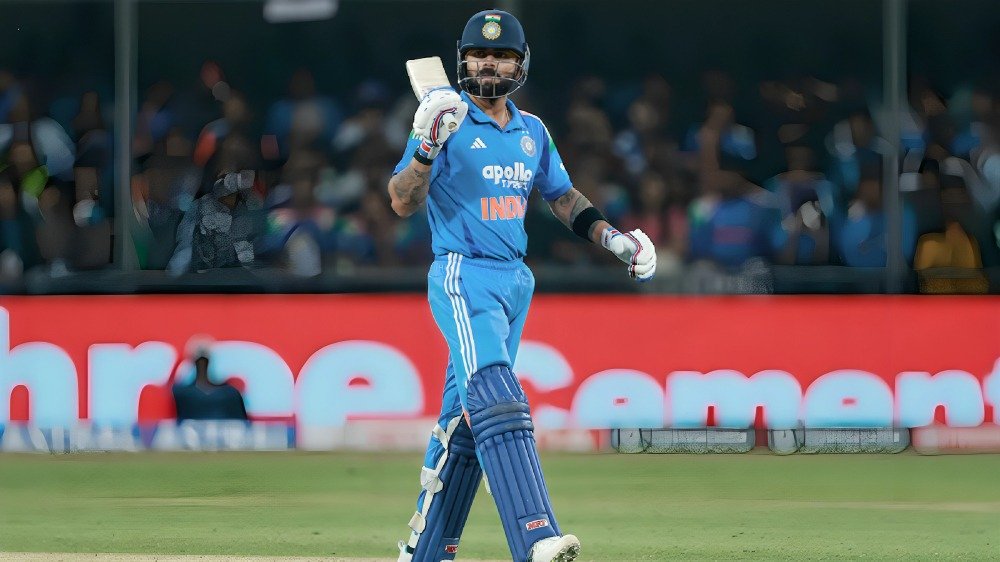
For months, the discourse around India vs New Zealand and other ODI contests had centred on transition. Kohli, retired from Tests and T20Is, was expected to gradually fade from the 50-over setup. Instead, his latest hundred against India vs New Zealand flipped the script. He negotiated the away-going ball with discipline, resisted reckless strokeplay, and anchored the chase almost single-handedly. Had support arrived from the top order, the result might have been different. The innings felt less like a farewell chapter and more like a statement of relevance, forcing selectors to rethink timelines they believed were set in stone.
Gill’s Struggles and Role Reversal
The irony of the India vs New Zealand series lay in Shubman Gill’s struggles. Six months ago, after a prolific England tour, Gill was hailed as the heir apparent across formats. But against New Zealand, familiar technical issues resurfaced. Tall seamers like Kyle Jamieson exposed the gap between bat and pad, a flaw previously targeted by James Anderson and Kagiso Rabada. As India vs New Zealand unfolded, the new leader appeared vulnerable while the veteran looked assured, creating a role reversal few anticipated.
What It Means for 2027
Beyond one series loss, India vs New Zealand may prove pivotal in shaping India’s ODI future. With inconsistency plaguing the batting group, Kohli’s form has become a stabilising force rather than a nostalgic luxury. Lessons from India vs New Zealand will influence selection calls over the next year. The conversation has shifted from whether Kohli should chase the 2027 World Cup to whether India can afford to plan without him. In that sense, India vs New Zealand delivered more than a result—it delivered a reality check.
SEE MORE: