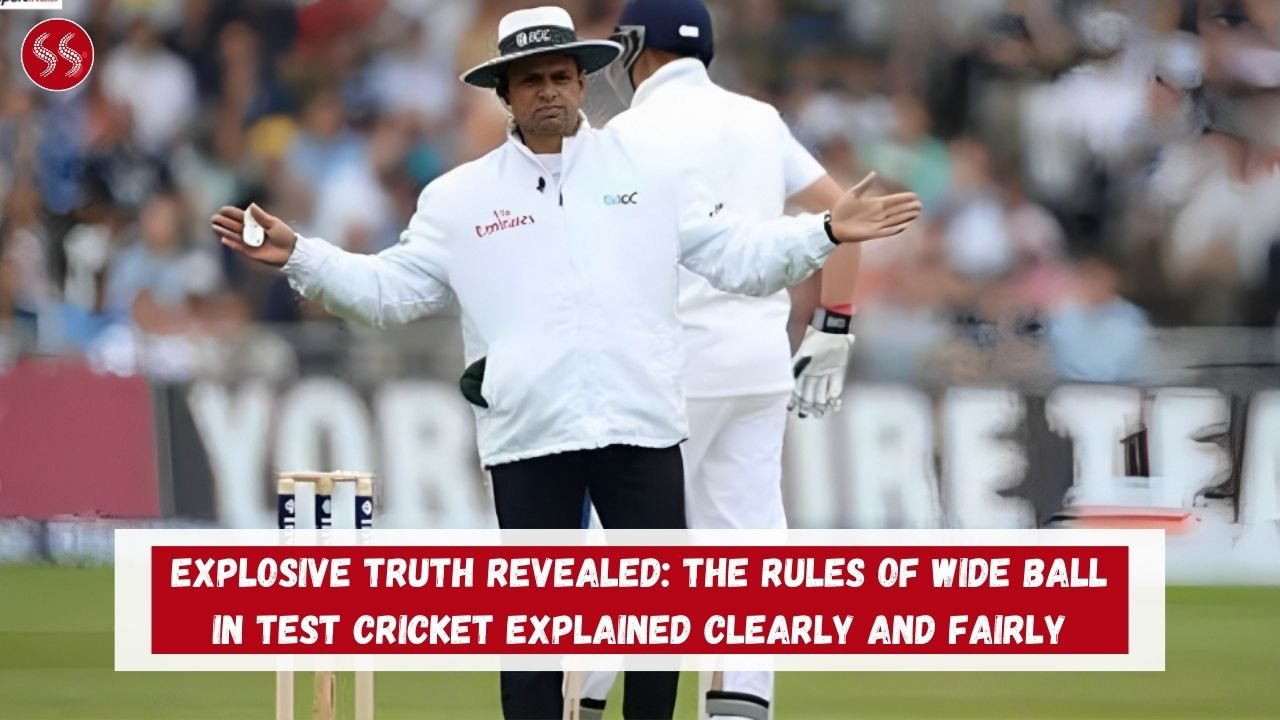

Test cricket is often called the purest form of the game, where patience, skill, and discipline are constantly tested. Among the many technical laws that govern this format, wide balls remain one of the most debated decisions. Understanding The Rules Of Wide Ball In Test Cricket is crucial for players, fans, and analysts alike.
Unlike limited-overs cricket, Test matches rely heavily on umpire judgment, making wide-ball decisions more nuanced. This article breaks down The Rules Of Wide Ball In Test Cricket in a simple, structured, and detailed manner.
Here Are The Definition of a Wide Ball in Test Matches
According to The Rules Of Wide Ball In Test Cricket, if the ball travels beyond the imaginary guideline without the batter attempting a legitimate shot, a wide may be signaled.
| Aspect | Explanation |
|---|---|
| Delivery Type | Illegal |
| Judgment Basis | Batter’s normal stance |
| Measurement | Imaginary line from popping crease |
| Umpire Role | Sole discretion |
How Many Runs Are Awarded for a Wide?
When a wide is bowled, the batting team automatically receives one extra run, and the delivery does not count as part of the over.
Under The Rules Of Wide Ball In Test Cricket, wides can significantly impact pressure situations, especially in long spells.
| Situation | Outcome |
|---|---|
| Wide bowled | 1 run awarded |
| Batsmen run | Added to extras |
| Legal delivery count | Extra ball bowled |
Can a Batter Get Out on a Wide Ball?
Dismissals are extremely limited when a wide is bowled.
As per The Rules Of Wide Ball In Test Cricket, only a run-out is possible because the ball remains live.
| Mode of Dismissal | Allowed on Wide? |
|---|---|
| Bowled | ❌ No |
| Caught | ❌ No |
| LBW | ❌ No |
| Run Out | ✅ Yes |
| Stumped | ❌ No |
Re-bowling the Delivery
Every wide delivery results in an extra ball. The over continues until six legal deliveries are completed.
This principle under The Rules Of Wide Ball In Test Cricket ensures bowlers do not gain an unfair advantage through negative tactics.
| Over Status | Result |
|---|---|
| Wide bowled | Ball does not count |
| Legal ball | Counts toward over |
| Multiple wides | Over extends |
Width Judgment: The Umpire’s Discretion
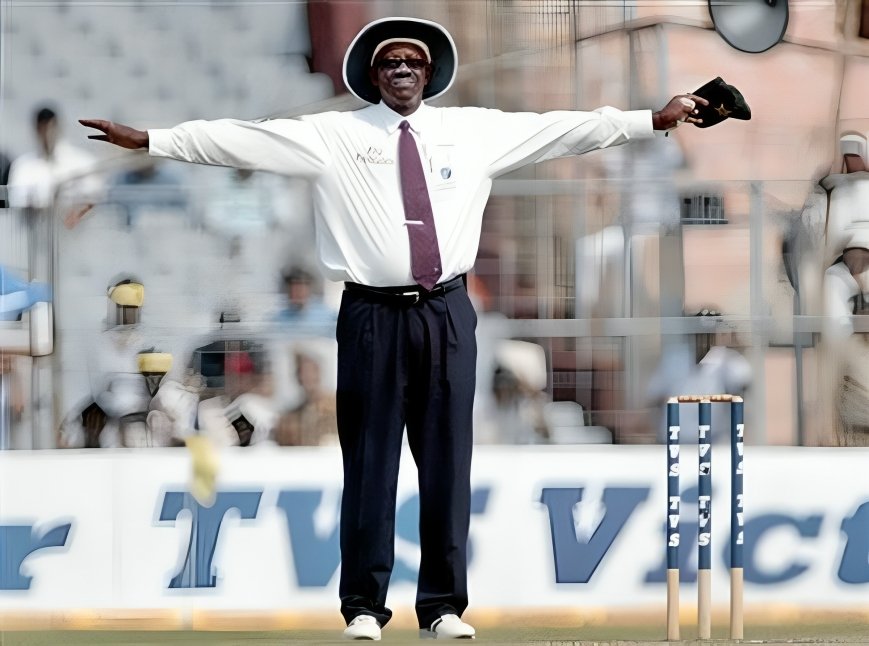
Unlike white-ball cricket, Test umpires allow greater margin. The Rules Of Wide Ball In Test Cricket instruct umpires to judge deliveries based on:
- Batter’s initial stance
- Pitch conditions
- Match situation
- Spirit of the game
This flexibility preserves the traditional balance between bat and ball.
Intentional Wides vs Accidental Wides
Wides may occur due to poor control or deliberate tactics.
Under The Rules Of Wide Ball In Test Cricket, umpires monitor intent closely to protect fair play.
| Type | Description |
|---|---|
| Accidental | Loss of control |
| Tactical | Negative bowling |
| Persistent | May invite warnings |
Penalties and Warnings for Bowlers
Repeated wides can lead to official warnings.
Although rare, The Rules Of Wide Ball In Test Cricket allow umpires to intervene if bowling becomes excessively negative.
| Action | Consequence |
|---|---|
| First warning | Verbal caution |
| Continued wides | Removal from attack |
| Extreme cases | Captain warned |
Difference Between Test and Limited-Overs Wides
This distinction highlights why The Rules Of Wide Ball In Test Cricket require deeper understanding.
| Aspect | Test Cricket | ODIs / T20Is |
|---|---|---|
| Measurement | Umpire judgment | Fixed guidelines |
| Strictness | Flexible | Very strict |
| Tactical margin | High | Low |
Why Wide Rules Matter in Test Cricket
Wide-ball laws prevent bowlers from:
- Bowling defensively without risk
- Exploiting batter discomfort unfairly
- Slowing down the game excessively
By enforcing The Rules Of Wide Ball In Test Cricket, officials protect competitive balance.
Common Misconceptions About Wide Balls
Many fans believe:
- Any ball outside off stump is wide ❌
- Wides are measured strictly ❌
- Test and T20 wide rules are identical ❌
In reality, The Rules Of Wide Ball In Test Cricket are context-driven, not mechanical.
FAQs
1. Are wide rules stricter in Test cricket?
No. The Rules Of Wide Ball In Test Cricket are more flexible than limited-overs formats and rely on umpire judgment.
2. Can a batter be stumped off a wide?
No. According to The Rules Of Wide Ball In Test Cricket, stumping is not allowed on a wide delivery.
3. Do wides count as legal deliveries?
No. Under The Rules Of Wide Ball In Test Cricket, wides result in an extra ball being bowled.
SEE MORE: