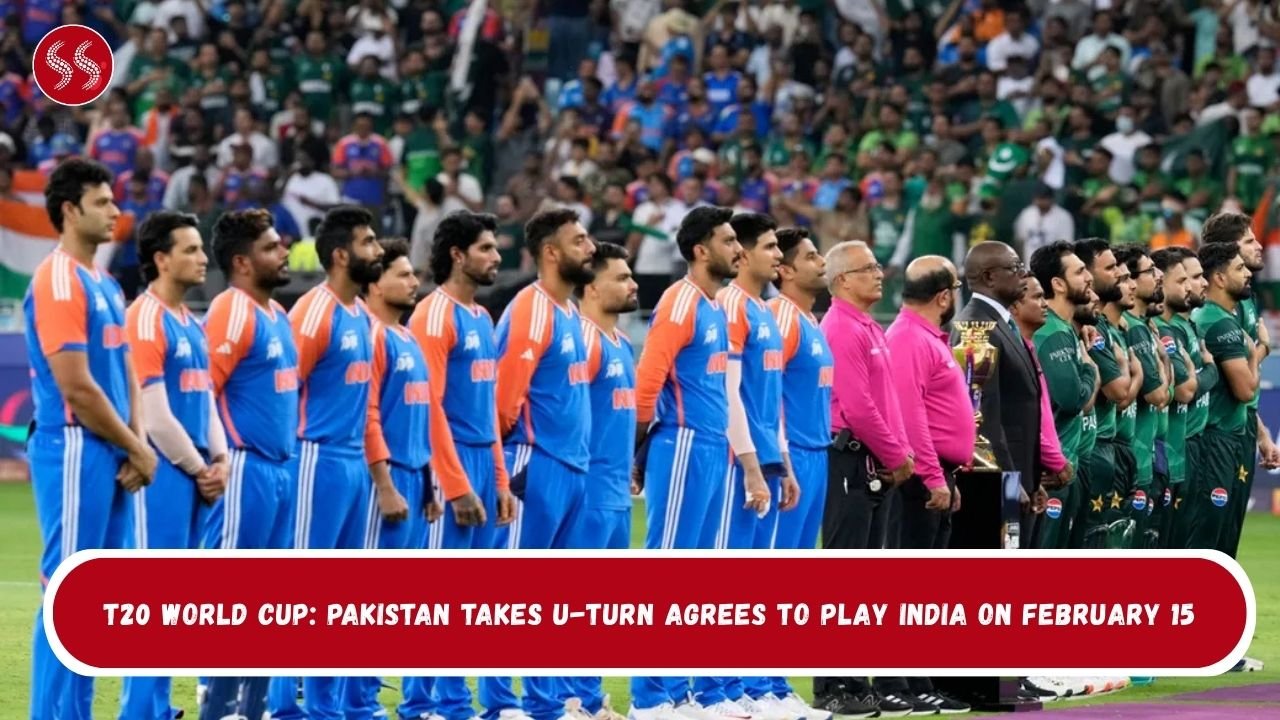

The uncertainty surrounding the India–Pakistan clash at the T20 World Cup has finally come to an end after days of intense negotiations. Late on Monday, the Pakistan government instructed its national team to take the field against India on February 15 in Colombo, clearing the way for the tournament’s most anticipated fixture. The decision followed sustained dialogue involving the International Cricket Council (ICC) and the Bangladesh Cricket Board, ensuring the marquee encounter at the T20 World Cup goes ahead as scheduled.
ALSO READ:
ICC and Bangladesh Play Key Mediation Role
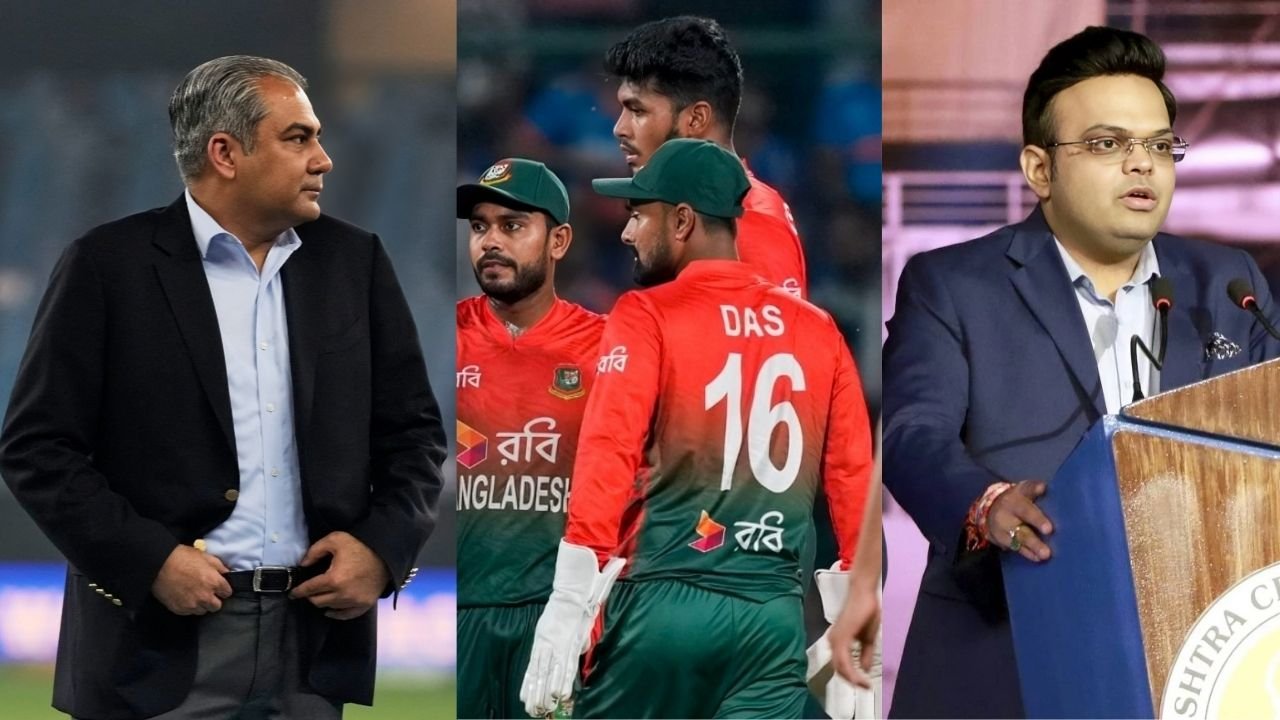
According to officials, the breakthrough came after multilateral discussions led by ICC chief Jay Shah, with Bangladesh playing a decisive behind-the-scenes role. Bangladesh Cricket Board president Aminul Islam had earlier appealed to Pakistan to participate, stressing that the India-Pakistan game was vital for the global health of the T20 World Cup. His diplomatic outreach, including a short visit to Pakistan, helped soften positions and reopen communication channels.
In a formal statement, the Pakistan government confirmed its revised stance, citing the outcomes of constructive talks and requests from friendly nations. The ICC welcomed the resolution, noting that the engagement was driven by unity and a shared responsibility to protect the integrity of the T20 World Cup. The governing body emphasized cooperation and neutrality as central pillars in resolving the standoff.
Background to the Crisis and Pakistan’s Reversal
The controversy originated when Bangladesh declined to play its matches in India, leading to Scotland replacing them in the T20 World Cup. Pakistan, backing Bangladesh’s concerns, announced it would boycott the February 15 match against India, accusing the ICC of double standards. This threat escalated tensions and raised fears of sanctions that could have impacted the tournament’s credibility.
However, Pakistan’s attempt to invoke the Force Majeure clause was rejected by the ICC, which warned of severe financial and sporting penalties if the boycott continued. Sources revealed that several demands from Pakistan, including increased revenue share and revival of bilateral series with India, were turned down. Faced with isolation risks, Pakistan ultimately opted for a U-turn, ensuring their participation in the T20 World Cup fixture.
The ICC also clarified that Bangladesh would face no penalties and confirmed that the country would host an ICC event before the 2031 World Cup. With the India-Pakistan match restored, the T20 World Cup regains momentum, delivering a crucial boost to fans, broadcasters, and the wider cricket ecosystem.
SEE MORE: