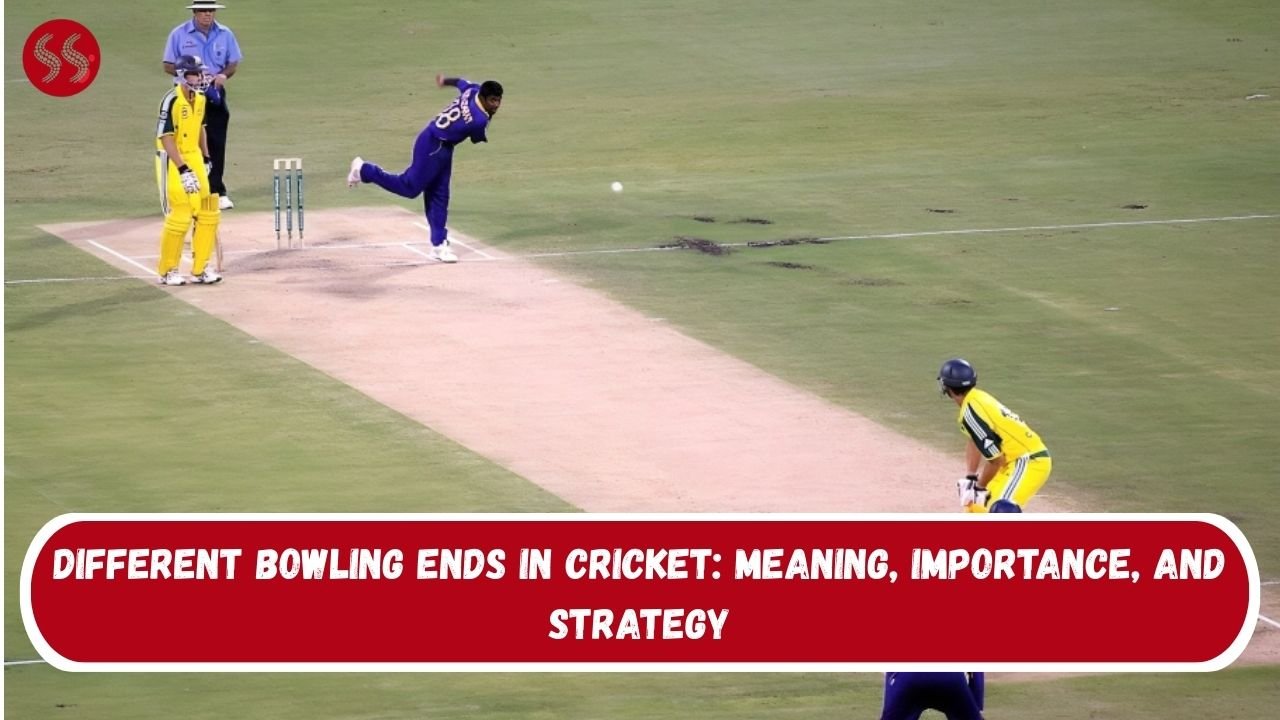

Understanding the concept of different bowling ends in cricket is essential for players, captains, and fans alike. Bowling ends play a crucial role in match strategy, influencing bowling performance, swing, seam movement, and even a batter’s comfort at the crease.
The term different bowling ends in cricket refers to the two opposite ends of the pitch from which bowlers deliver the ball. A cricket pitch is 22 yards long, and bowlers alternate ends after completing each over. These ends are fixed and remain the same throughout the match.
ALSO READ:
- Virat Kohli’s Water Brand Price per Litre: Luxury Hydration Explained
- Top 10 Famous Indian Athletes of All Time: Legends Who Shaped Indian Sports
Common Names of Bowling Ends
The different bowling ends in cricket are usually named based on landmarks, structures, or geography around the stadium. The most common names are:
- Pavilion End: Named after the pavilion or main stand of the ground. This end is often closer to dressing rooms and officials.
- Hill End or City End: The opposite side of the pitch, typically named after a nearby hill, city, road, or notable feature.
While names vary across grounds worldwide, the concept of different bowling ends in cricket remains consistent.
Why Bowling Ends Matter
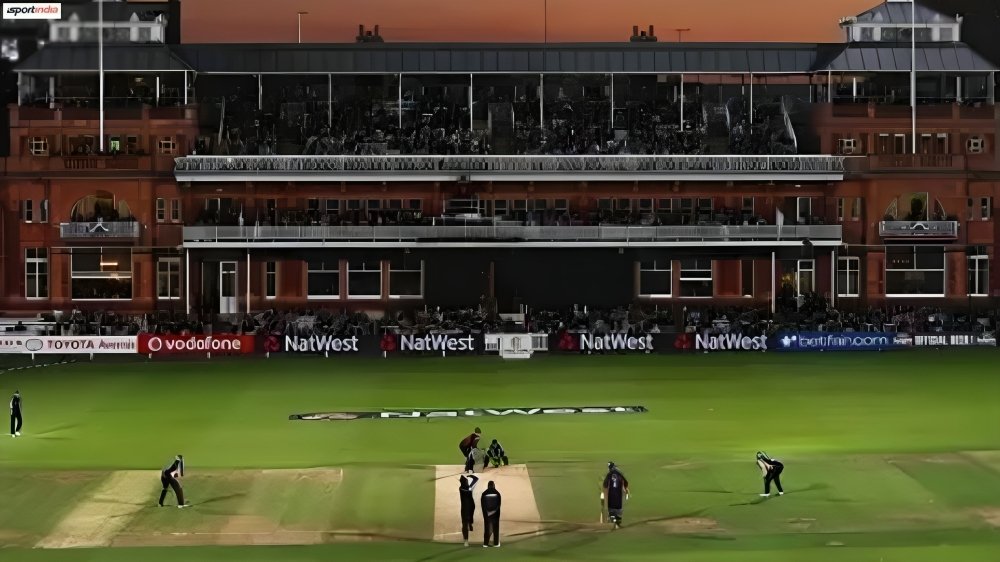
The importance of different bowling ends in cricket goes beyond simple orientation. Several factors make one end more favorable than the other:
- Wind direction: Bowlers may gain swing or extra pace when bowling with the wind.
- Pitch wear and tear: Certain areas of the pitch may offer more bounce or turn.
- Ground slope: Some grounds have a slight slope that can aid seam or swing movement.
Captains closely analyze these elements when deciding how to use the different bowling ends in cricket. In Test and longer formats, captains often assign bowlers to specific ends for extended spells. Fast bowlers may prefer one of the different bowling ends in cricket to exploit swing, while spinners may operate from the end offering better footmarks or rough patches. Switching bowling ends can also disrupt a batter’s rhythm, adding a tactical advantage.
For bowlers, mastering the different bowling ends in cricket helps them adjust their run-up, release point, and angles. For batters, changing ends means adjusting to new sightlines, background visuals, and bowling angles, which can affect concentration.
The significance of different bowling ends in cricket is most visible in Test matches, where bowlers may bowl dozens of overs from one end. Over time, conditions evolve, making end selection even more important.
FAQs
1. How many bowling ends are there in cricket?
There are two bowling ends in cricket, located at opposite sides of the pitch.
2. Do bowling ends change during a match?
No, the bowling ends remain fixed, but bowlers alternate ends after each over.
3. Why do captains choose specific bowling ends for bowlers?
Captains consider wind, pitch conditions, slope, and tactical advantages when assigning different bowling ends in cricket.
SEE MORE: