
Slowest century in ODI cricket means that the longest time was taken by a batsman to score 100 runs in terms of balls faced. For the creation of the record is taken into account how many deliveries a batter took to reach 100-run mark.
In the modern ODI cricket, when fast centuries have become quite common for the top players, slow centuries are special cases as they reflect patience, technical ability and survival of the player. The slowest century in ODI cricket does not necessarily mean the bad batting but sometimes it shows the conditions, quality of the bowling attack and the responsibility given to the player.
Top 10 Batsmen With Slowest Century in ODI Cricket
| Rank | Player | Country | Balls Faced | Runs | Opponent | Year |
|---|---|---|---|---|---|---|
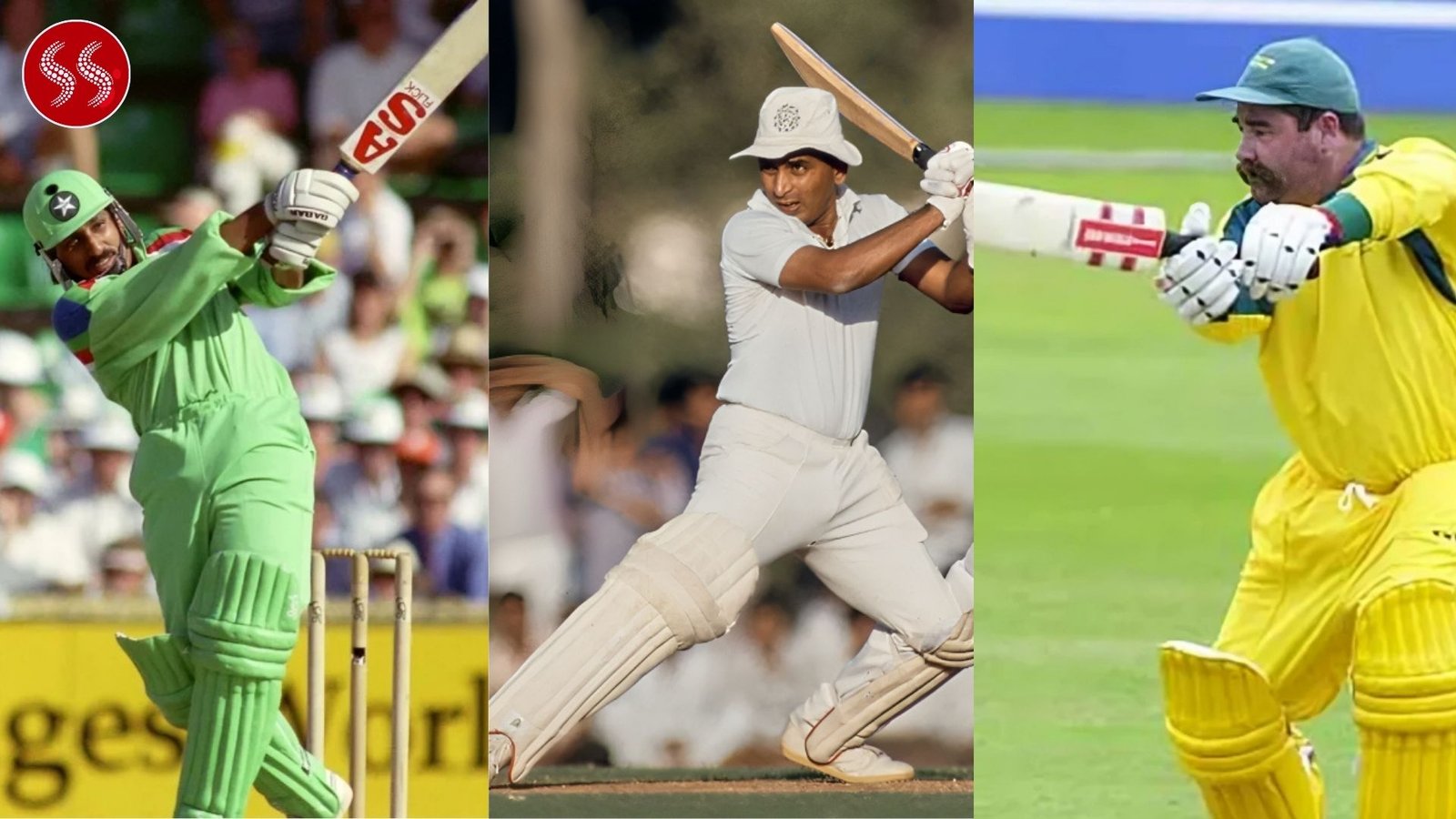
| 1 | David Boon | Australia | 166 Balls | 102 | India | 1991 |
| 2 | Rameez Raja | Pakistan | 157 Balls | 102 | West Indies | 1992 |
| 3 | Geoff Marsh | Australia | 156 Balls | 111 | England | 1989 |
| 4 | Rameez Raja | Pakistan | 152 Balls | 107 | Sri Lanka | 1990 |
| 5 | Scott Styris | New Zealand | 152 Balls | 111 | Sri Lanka | 2007 |
| 6 | Tom Cooper | Netherlands | 151 Balls | 101 | Afghanistan | 2010 |
| 7 | Gordon Greenidge | West Indies | 146 Balls | 103 | Pakistan | 1988 |
| 8 | David Hemp | Bermuda | 144 Balls | 102 | Canada | 2007 |
| 9 | Sunil Gavaskar | India | 144 Balls | 103* | New Zealand | 1987 |
| 10 | Sourav Ganguly | India | 141 Balls | 105 | South Africa | 2000 |
Here’s a look at the top 10 batsmen with slowest century in ODI cricket history, where patience and strategy trumped speed and flair.
1. David Boon
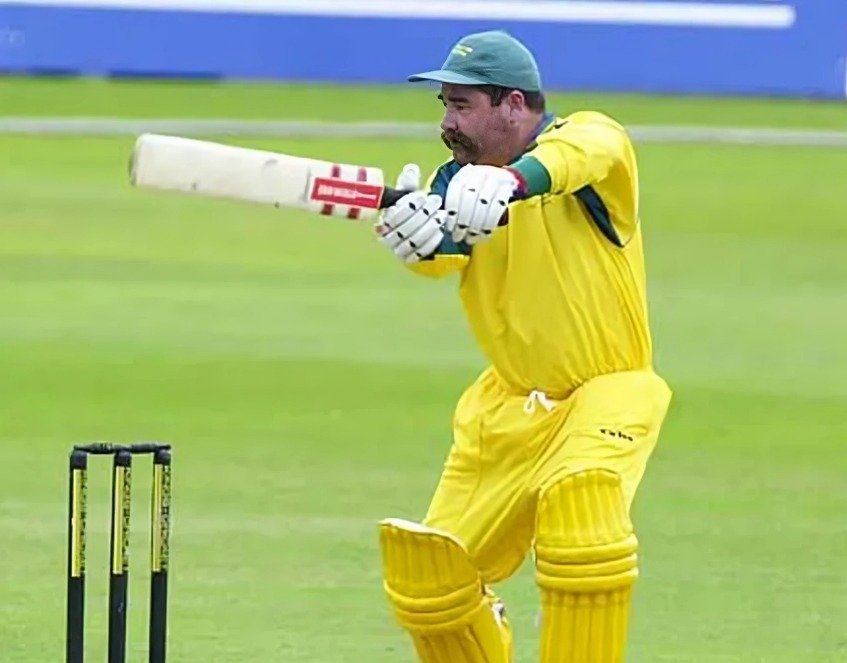
David Boon holds the record for the Slowest Century in ODI Cricket after scoring 102 runs from 166 balls against India in 1991. This innings is one of the most patient hundreds in ODI history.
During the period when ODI cricket was more based on building the innings rather than power hitting, Boon demonstrated excellent concentration and technical skills. He faced a quality Indian bowling attack and played depending on the situation of the game rather than trying to chase the high strike rate.
His century proved that successful ODI batting is not always fast. Sometimes, it is necessary to occupy the crease and build partnerships.
ALSO READ:
2. Rameez Raja
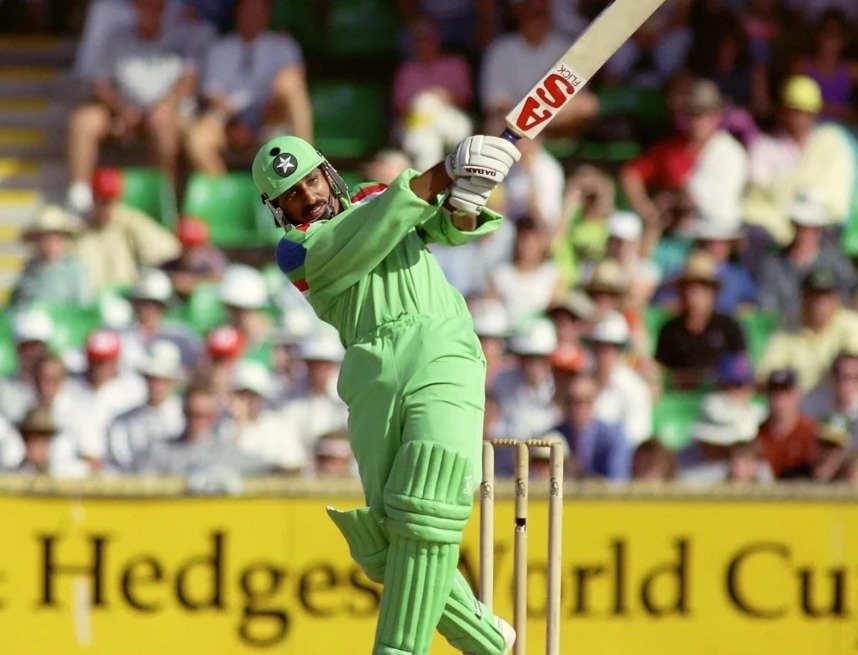
Rameez Raja is one of the players who managed to get one of the Slowest Century in ODI Cricket. The player scored his century in 157 balls playing against West Indies during 1992 World Cup that took place during the era of slow batting style.
Unlike modern fast batting techniques, Rameez used such things as timing, placement and careful strokes. The inning reflected the importance of spending time on crease and helping the team to build a stable total.
3. Geoff Marsh
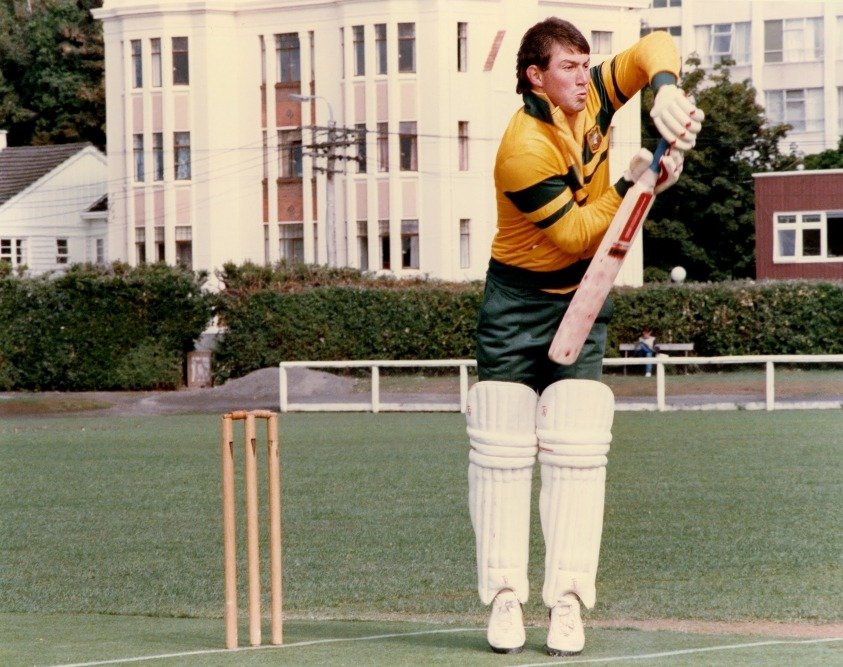
Geoff Marsh, who is considered one of the most successful openers of Australia, is also included in the list of cricketers who score centuries in ODI at the slowest pace.
The 156 ball century of Marsh shows that he had very good defensive skills and was also able to judge the condition of the match.
ALSO READ:
4. Rameez Raja
Former Pakistan opener Rameez Raja appears twice in this list because of his patient batting style during the early 1990s. His century against Sri Lanka required 152 deliveries, as he focused on building a stable platform for Pakistan.
Rather than chasing quick runs, Raja emphasized wicket preservation and partnerships. His composed approach helped Pakistan post a respectable total, securing his place among the Top 10 Batsmen With Slowest Century in ODI Cricket.
5. Scott Styris
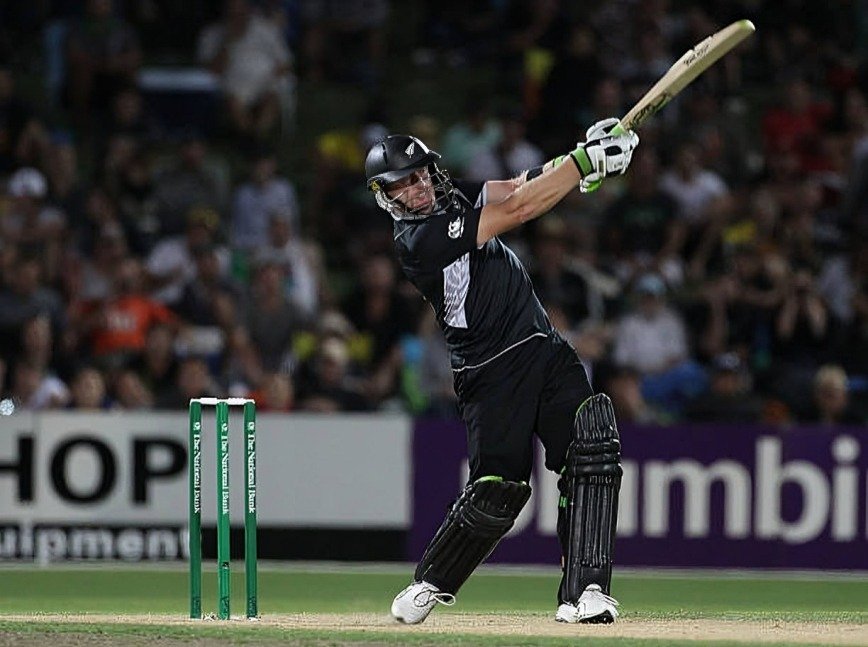
One of the slowest ODI centuries is that of Scott Styris of New Zealand. Unlike the traditional defensive batters, Styris could play attacking cricket but would adapt according to the conditions prevailing during that difficult match.
Thus, this century of Scott Styris shows that sometimes even the players of modern era had to play slowly.
6. Tom Cooper
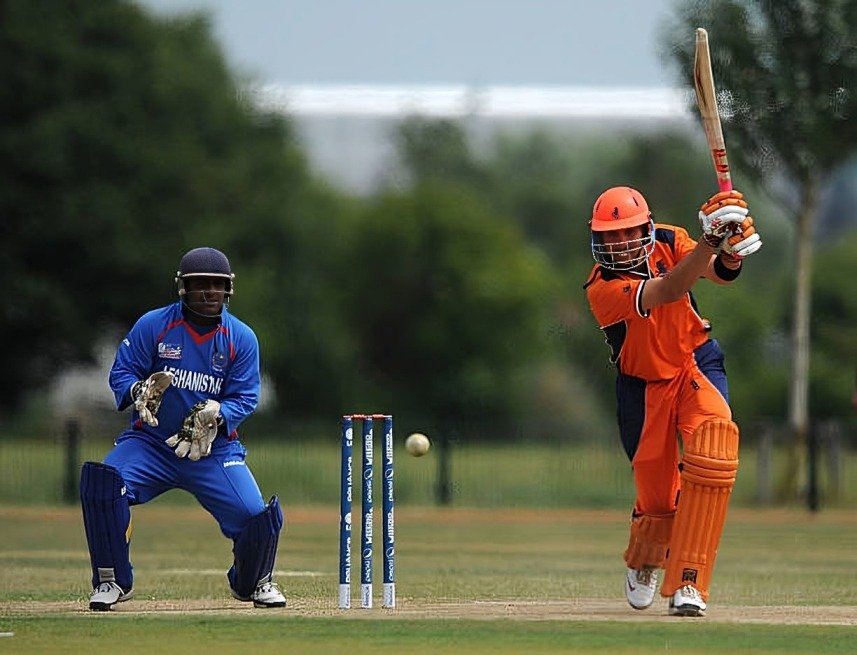
Tom Cooper’s century for the team of Netherlands is one of the important centuries in the list of slow ODI hundreds. While playing for an associate nation, he played a very responsible innings and played well against the disciplined bowling attack.
This innings of Tom Cooper proved that ODI cricket is not a sport for the giants alone; the players of developing cricket nations have also achieved something great.
7. Gordon Greenidge
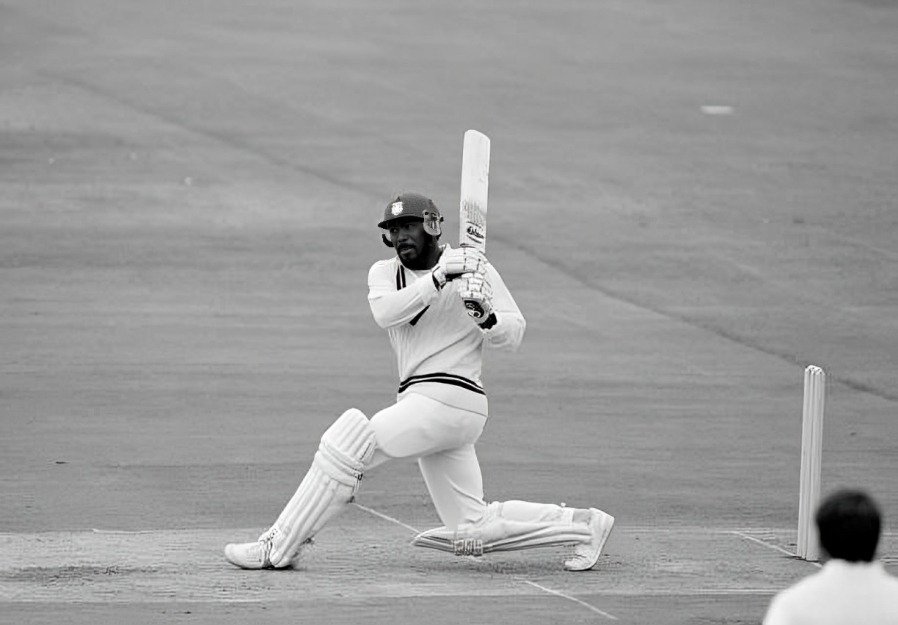
West Indies legend Gordon Greenidge was renowned for his aggressive opening batting, but his century against Pakistan in 1988 showcased a completely different side of his game. Facing a disciplined bowling attack on a challenging pitch, Greenidge put aside his natural attacking instincts and focused on building a solid innings for his team.
Although he reached his century after facing 146 deliveries, Greenidge’s knock proved that patience can be just as valuable as power-hitting in ODI cricket. His ability to adapt to difficult match situations earned him a deserved place among the Top 10 Batsmen With Slowest Century in ODI Cricket.
8. David Hemp
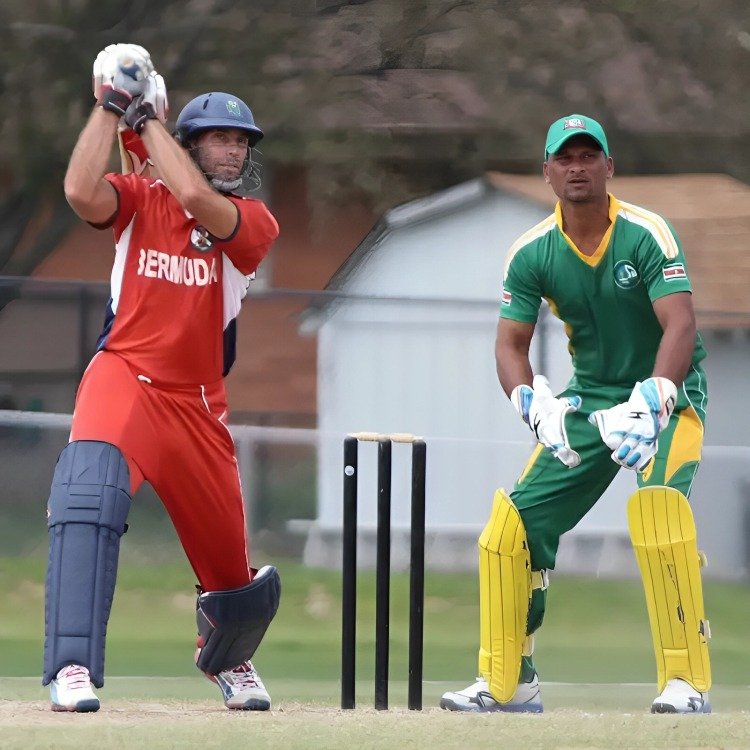
Representing Bermuda, David Hemp produced one of the finest innings by an Associate Nation batter. His century against Canada in 2007 came under pressure, where he focused on building partnerships instead of playing risky shots. His calm approach helped Bermuda post a competitive total.
Although he reached his hundred after 144 deliveries, Hemp’s innings demonstrated remarkable patience and consistency. His memorable knock earned him a place among the Top 10 Batsmen With Slowest Century in ODI Cricket.
9. Sunil Gavaskar
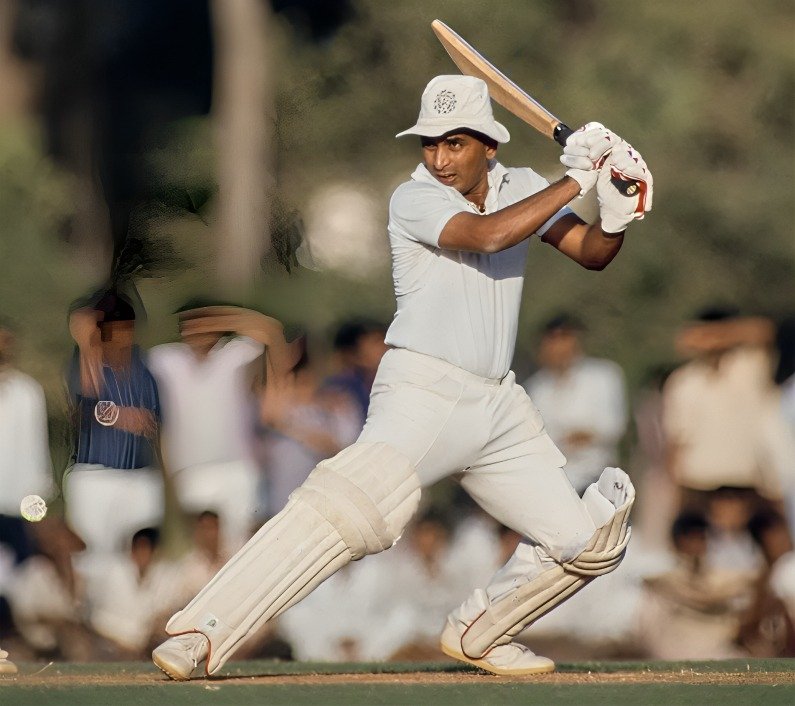
Sunil Gavaskar remains one of the greatest opening batters in cricket history. During the 1987 ODI World Cup, he scored an unbeaten century against New Zealand, but the innings became famous because of its extremely slow scoring rate. Gavaskar concentrated on preserving his wicket rather than accelerating the innings.
His unbeaten 103 off 144 balls continues to be discussed decades later as one of the slowest centuries in ODI history. Despite the criticism, the innings remains an important chapter in the Top 10 Batsmen With Slowest Century in ODI Cricket.
10. Sourav Ganguly
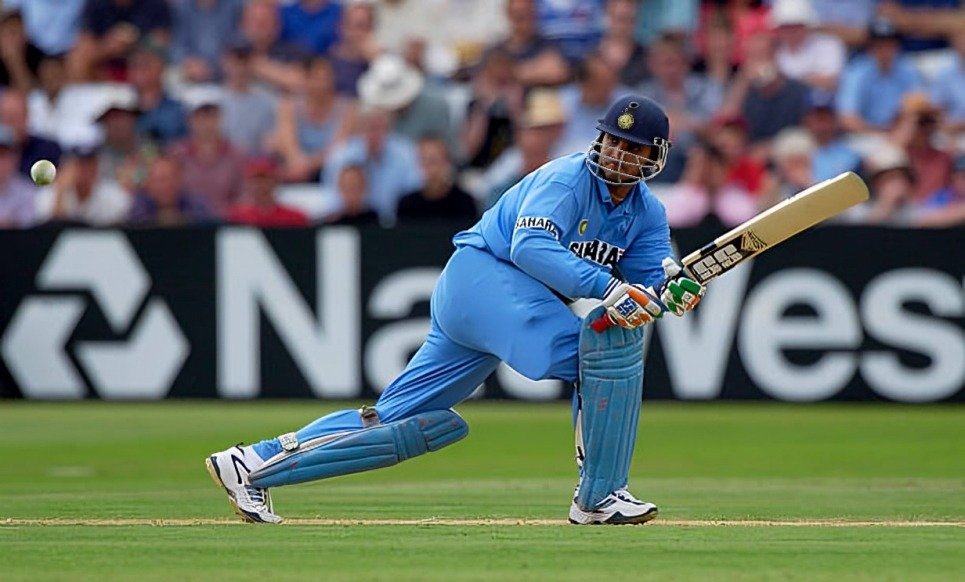
Former Indian captain Sourav Ganguly was known for his elegant stroke play and ability to dominate bowlers through the off side. However, his century against South Africa in 2000 showcased a more patient and composed version of his batting. Facing a disciplined bowling attack, Ganguly focused on building the innings rather than scoring quickly.
Although he reached his century after 141 deliveries, Ganguly’s knock played a crucial role for India in difficult batting conditions. His adaptability and match awareness secured his place among the Top 10 Batsmen With Slowest Century in ODI Cricket.
Conclusion
Top 10 Batsmen With Slowest Century in ODI Cricket reminds us that cricket is not always about scoring at lightning speed. These legendary batters adjusted to difficult pitches, quality bowling attacks, and unique match situations to produce memorable centuries. While today’s ODI game is much faster, these patient innings continue to hold an important place in cricket history and demonstrate that adaptability is one of the greatest qualities a batter can possess.
SEE MORE:
FAQs
1. Who scored the slowest century in ODI cricket?
David Boon holds the official record for the slowest century in ODI cricket history, scoring 102* runs from 166 balls against India.
2. Is a slow century considered a bad innings?
No, not at all. Its total value completely depends on the match conditions, pitch difficulty, and specific team requirements at that time.
3. Why do players score slow centuries?
Players score slow centuries because of difficult pitch conditions, highly disciplined bowling attacks, high-pressure situations, or an early top-order collapse.
For more ODI records and historical statistics, visit ESPNcricinfo Records.